
History of Galle:
Galle, a captivating coastal city in the southern region of Sri Lanka, is a living museum of history, culture, and architecture. Once a thriving port that connected East and West, Galle’s identity has been shaped by centuries of maritime trade and colonial rule. Its crown jewel — the Galle Fort, a UNESCO World Heritage Site — stands as one of the best-preserved examples of European architecture in South Asia.
Early Origins and Colonial Influence:
Long before the arrival of Europeans, Galle was known to traders from Arabia, Greece, India, and China as a strategic harbor on the Silk Route. It was mentioned in records as early as the 6th century by the Greek sailor Cosmas Indicopleustes, who described it as a bustling port of call for ships traveling between East Africa and Asia.
The city’s destiny changed dramatically in 1505, when the Portuguese arrived under Lourenço de Almeida, establishing a fortified settlement to control the spice trade. Later, in 1640, the Dutch captured Galle, expanding and strengthening the fortifications into the structure we see today.
The British took control in 1796, following the fall of Dutch Ceylon, and used Galle as a key administrative and shipping hub until the development of Colombo Harbor in the late 19th century.
Galle Fort — A UNESCO World Heritage Site:
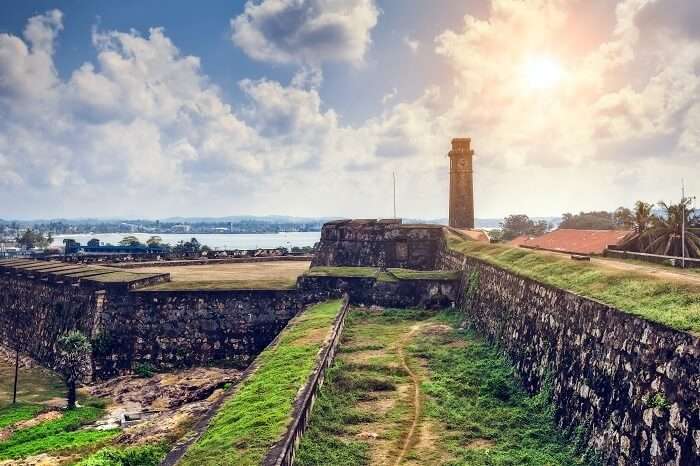
Built first by the Portuguese and later fortified by the Dutch, Galle Fort is one of the most iconic landmarks in Sri Lanka. Enclosed by towering ramparts and bastions overlooking the Indian Ocean, the fort is a fusion of European and South Asian architectural styles.
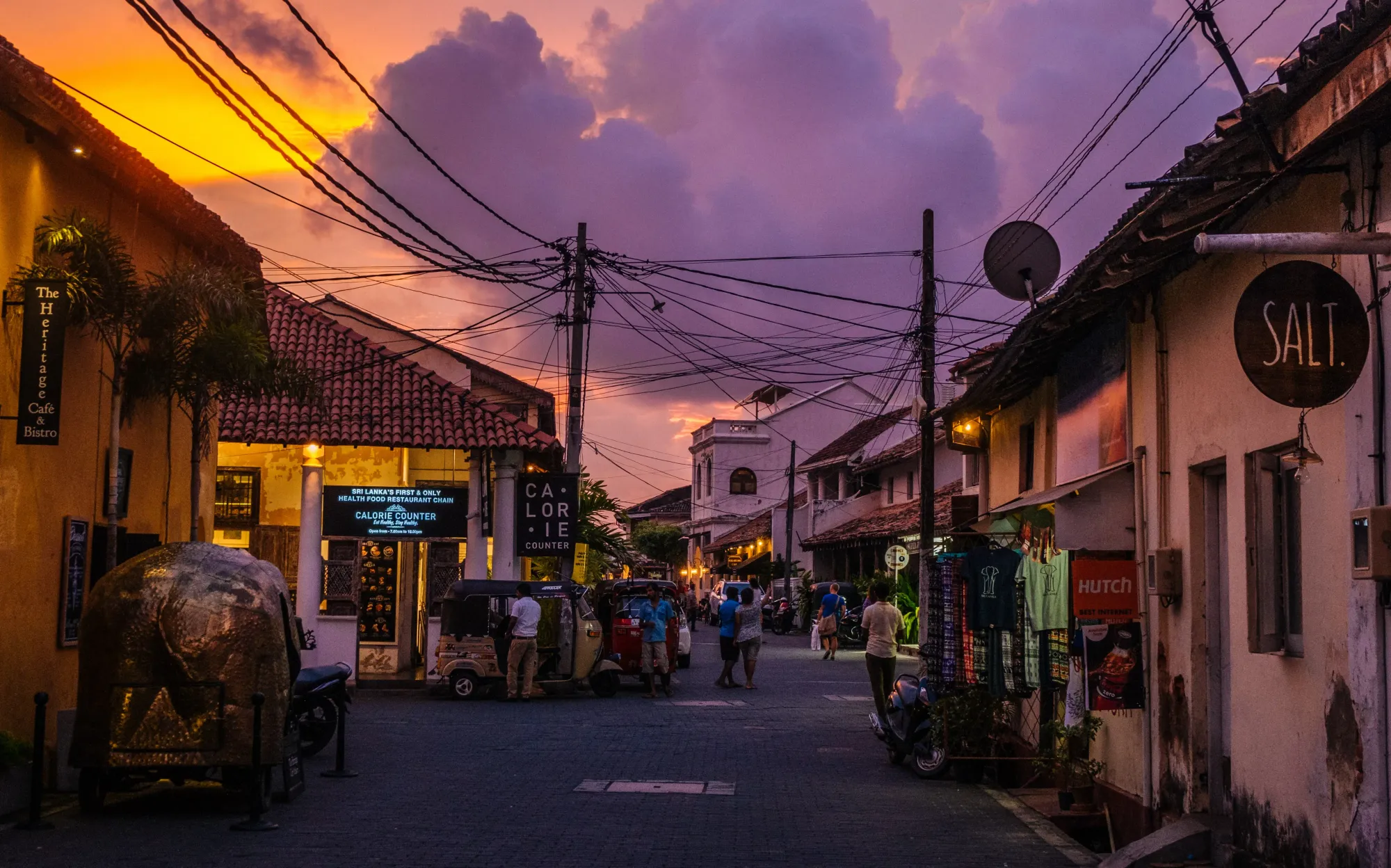
Inside the walls lies a charming town filled with colonial buildings, cobblestone streets, churches, museums, cafés, art galleries, and boutique hotels. The fort remains a vibrant community — not just a historical monument, but a living neighborhood with residents, schools, and shops.
Cultural and Architectural Significance:
Galle is a true reflection of Sri Lanka’s multicultural history. The city’s architecture showcases Portuguese, Dutch, and British influences blended with local craftsmanship.
You’ll find Dutch-style villas, British-era warehouses, and Portuguese churches standing alongside mosques and Hindu temples, representing centuries of coexistence among different communities.
Today, Galle is not only an architectural treasure but also a hub for art, literature, and tourism — hosting festivals, galleries, and boutique hotels that celebrate its colonial charm.
What to Do in Galle:
1. Explore Galle Fort
Walking through Galle Fort feels like stepping back in time. The walls, streets, and structures tell stories of centuries past.
What to Do Here:
-
Take a leisurely stroll along the ramparts for panoramic views of the ocean and sunset.
-
Visit landmarks like the Dutch Reformed Church (Groote Kerk), All Saints’ Church, and the Old Dutch Hospital (now a shopping and dining complex).
-
Wander through narrow lanes lined with colonial villas, art galleries, and boutique cafés.
2. Galle Lighthouse
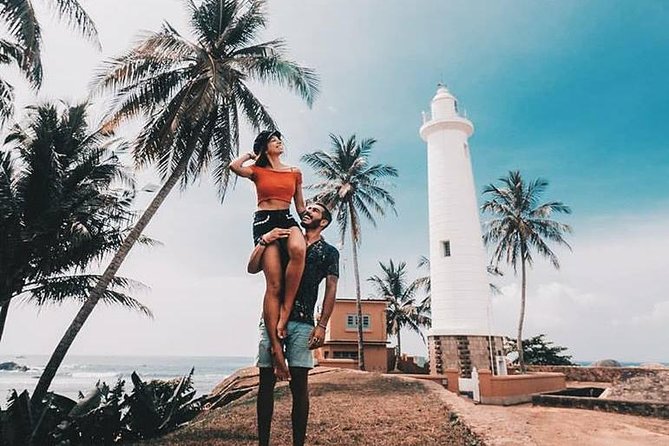
Located on the southeastern tip of the fort, the Galle Lighthouse is one of the oldest in Sri Lanka and a symbol of the city.
What to Do Here:
-
Walk along the coastal path to capture stunning views of the lighthouse and the turquoise sea.
-
Visit during sunset for golden light and beautiful photo opportunities.
-
Relax nearby at one of the beachfront cafés.
3. National Maritime Museum
Housed in a former Dutch warehouse within the fort, the National Maritime Museum showcases Galle’s seafaring legacy.
What to Do Here:
-
Explore exhibits on shipwrecks, navigation tools, and marine life.
-
Learn about Galle’s role as a major maritime hub in the Indian Ocean trade network.
-
View artifacts recovered from underwater archaeological sites.
4. Dutch Reformed Church (Groote Kerk)
One of the oldest Protestant churches in Sri Lanka, dating back to 1755.
What to Do Here:
-
Admire the architecture with its coral stone walls, stained glass windows, and ancient tombstones.
-
Learn about the church’s connection to the Dutch settlers who once lived inside the fort.
5. Visit Unawatuna Beach
Just a 10-minute drive from Galle, Unawatuna is one of Sri Lanka’s most popular beaches — ideal for swimming, snorkeling, and diving.
What to Do Here:
-
Relax on the golden sands or enjoy a dip in the calm waters.
-
Visit Jungle Beach, a hidden cove surrounded by forest trails.
-
Try scuba diving or boat rides to nearby coral reefs.
6. Japanese Peace Pagoda (Rumassala)
Overlooking Galle Bay, this gleaming white stupa was built by Japanese monks as a symbol of world peace.
What to Do Here:
-
Climb to the top for sweeping views of the ocean and Galle Fort.
-
Meditate in the tranquil surroundings or attend a short prayer ceremony.
-
Combine the visit with a walk to Jungle Beach nearby.
7. Galle National Museum
Located within the fort, this museum is housed in one of the oldest Dutch buildings in Galle.
What to Do Here:
-
Explore exhibits showcasing traditional crafts, masks, weaponry, and the city’s colonial heritage.
-
Learn about the daily life of ancient Sri Lankans and their interactions with foreign traders.
8. Shopping and Cafés in Galle Fort
Galle Fort’s narrow streets are filled with chic boutiques, spice shops, and cozy cafés.
What to Do Here:
-
Shop for gemstones, Ceylon tea, antiques, and handmade souvenirs.
-
Enjoy fresh seafood, gelato, or local fusion cuisine at popular spots like Poonie’s Kitchen, Sugar Bistro, or Fortaleza.
-
Visit art galleries and bookshops that highlight local creativity and culture.
Best Time to Visit Galle:
The best time to visit Galle is from December to April, when the weather is warm and dry — perfect for sightseeing, beach activities, and photography.
During the Galle Literary Festival (usually held in January or February), the city comes alive with authors, artists, and readers from around the world, making it a wonderful time for culture lovers to visit.
The off-season (May to September) brings occasional rain but fewer tourists, offering quieter exploration of the fort and its surroundings.