
History of Nuwara Eliya:
Nuwara Eliya, often called “Little England of Sri Lanka,” is a charming highland city nestled in the misty hills of the Central Province. Established during the British colonial period in the 19th century, Nuwara Eliya quickly became a retreat for British planters and officers seeking the cool climate reminiscent of their homeland. With its lush tea estates, colonial architecture, and serene landscapes, it remains one of Sri Lanka’s most picturesque destinations.
Colonial Origins (1818–1948):
The story of Nuwara Eliya begins in 1818 when British explorer Dr. John Davy, brother of the famous scientist Sir Humphry Davy, first discovered this cool plateau surrounded by mist-clad mountains. Its mild climate and fertile soil made it ideal for European settlement.
In the 1820s, Sir Samuel Baker, a British explorer and planter, developed Nuwara Eliya into a hill station and introduced English-style cottages, gardens, and recreational clubs. The town soon became the summer capital of the British in Ceylon, where colonial elites enjoyed horse racing, hunting, golf, and tea plantation life.
The Birth of the Tea Industry:
Nuwara Eliya’s transformation into the heart of Sri Lanka’s tea industry began after a devastating coffee blight in the 1860s wiped out coffee plantations. James Taylor, a Scottish planter, introduced tea cultivation to Ceylon, and the cool highlands of Nuwara Eliya proved perfect for it.
By the late 19th century, the region was covered in rolling tea estates, producing what is now known worldwide as Ceylon Tea. The industry not only shaped the landscape but also the culture and economy of the region. Even today, visitors can witness the colonial legacy in the stately tea factories, quaint bungalows, and British-inspired town layout.
Architecture and Heritage:
Nuwara Eliya’s colonial charm endures through its well-preserved buildings and manicured gardens. Tudor-style mansions, red-brick post offices, rose gardens, and golf clubs echo a bygone era. The Grand Hotel, once the residence of Sir Edward Barnes, the fifth Governor of Ceylon, remains one of the most iconic colonial landmarks.

What to Do in Nuwara Eliya:
1. Visit Gregory Lake
Built during the governorship of Sir William Gregory in 1873, Gregory Lake is the heart of Nuwara Eliya — surrounded by hills, gardens, and charming colonial villas.
What to Do Here:
-
Take a boat ride, jet-ski, or paddleboat across the calm waters.
-
Enjoy a lakeside picnic or bicycle ride along the scenic walkway.
-
Visit in the evening to see the lake illuminated and lively with food stalls and families.
2. Explore Tea Estates and Factories
Nuwara Eliya is world-renowned for its tea, and visiting a plantation is a must.
What to Do Here:
-
Tour famous estates such as Pedro Tea Estate, Bluefield, or Mackwoods Labookellie.
-
Learn about the tea-making process — from plucking to processing and tasting.
-
Sip a fresh cup of high-grown Ceylon tea while overlooking endless green hills.
3. Hakgala Botanical Garden
Located about 10 km from the city, Hakgala is the second largest botanical garden in Sri Lanka.
What to Do Here:
-
Stroll through terraced flowerbeds of roses, orchids, and ferns.
-
Visit the Hakgala Rock Garden, filled with exotic plants from around the world.
-
Enjoy the crisp mountain air and spectacular views of the surrounding peaks.
4. Horton Plains National Park & World’s End
A UNESCO World Heritage Site, Horton Plains is a stunning plateau famous for its biodiversity and scenic views.
What to Do Here:
-
Hike the 9-km loop trail to World’s End, a sheer cliff with a dramatic 870-meter drop.
-
Visit Baker’s Falls, a beautiful waterfall along the trail.
-
Spot sambar deer and rare highland birds in the park’s misty grasslands.
5. Victoria Park
Right in the city center, Victoria Park is one of the most beautifully maintained parks in Sri Lanka.
What to Do Here:
-
Walk through neatly arranged flower gardens and lush lawns.
-
Visit the small bird sanctuary inside, home to numerous native and migratory species.
-
Capture photos of blooming flowers — especially during April, when the park is at its most colorful.
6. Nuwara Eliya Post Office
Built in 1894, this red-brick Tudor-style post office is a postcard-perfect example of colonial architecture.
What to Do Here:
-
Take a photo of the building — one of the most photographed landmarks in town.
-
Send a postcard stamped with the unique Nuwara Eliya postmark as a travel souvenir.

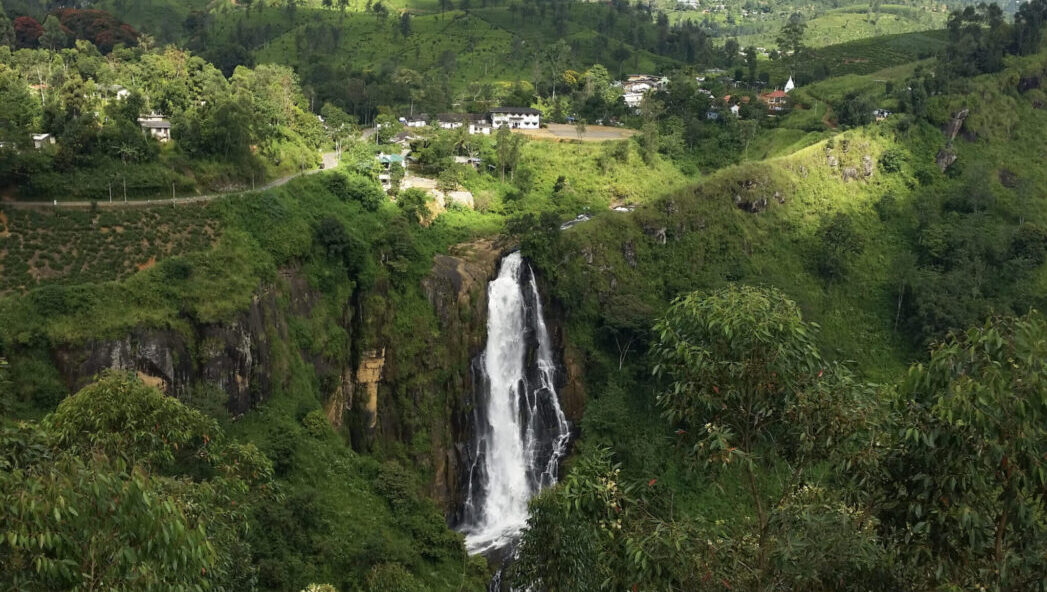
7. St. Clair’s and Devon Falls
Known as the “Little Niagara of Sri Lanka,” St. Clair’s Falls and Devon Falls are two of the most stunning waterfalls in the hill country, located along the Hatton–Nuwara Eliya road.
What to Do Here:
-
Stop at the viewing platforms for breathtaking photographs.
-
Enjoy tea and snacks at roadside cafes overlooking the cascading waters.
-
Visit early morning or late afternoon when sunlight enhances the mist and colors.
8. Visit Seetha Amman Temple
A Hindu temple located in Seetha Eliya, this colorful shrine is believed to mark the site where Sita was held captive in the Ramayana epic.
What to Do Here:
-
Learn about the temple’s connection to the ancient legend of Rama and Sita.
-
Explore the serene surroundings and sacred springs said to have formed where Sita wept.
-
Observe the beautiful South Indian Dravidian-style architecture.
Best Time to Visit Nuwara Eliya:
The best time to visit Nuwara Eliya is from February to April, when the weather is cool and dry, and the gardens are in full bloom. The Nuwara Eliya Season, held in April, features the famous Horse Races, Flower Shows, and the Motor Racing Festival, attracting visitors from across the island.
Temperatures average between 12°C and 20°C, making it a refreshing escape from Sri Lanka’s tropical lowlands. Pack warm clothes, as misty mornings and chilly nights are part of Nuwara Eliya’s unique charm.